Flow
What Is Flow State? A Guide to Being in the Zone
What being in the zone actually feels like, and the small habits that make it more likely.
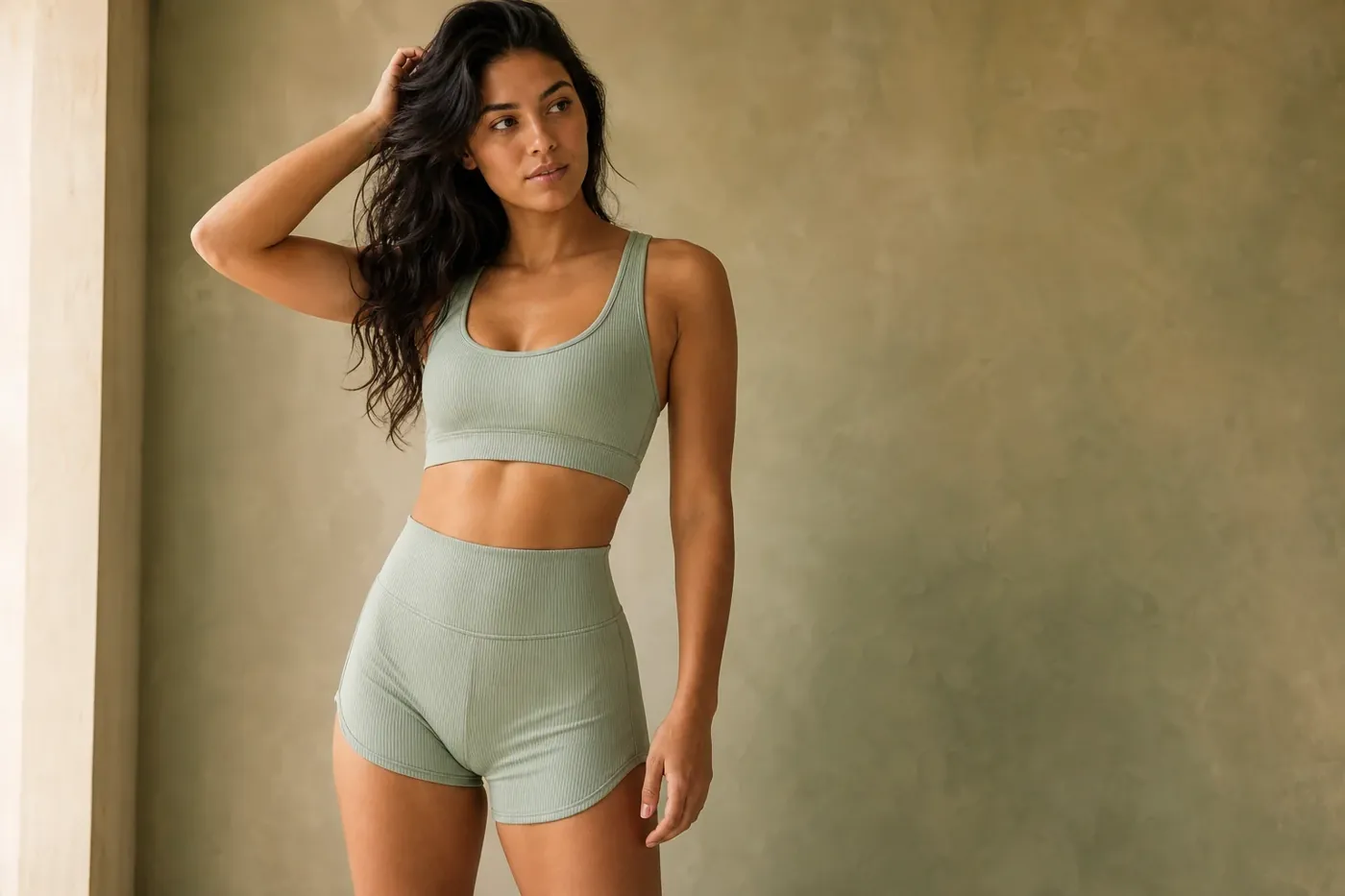
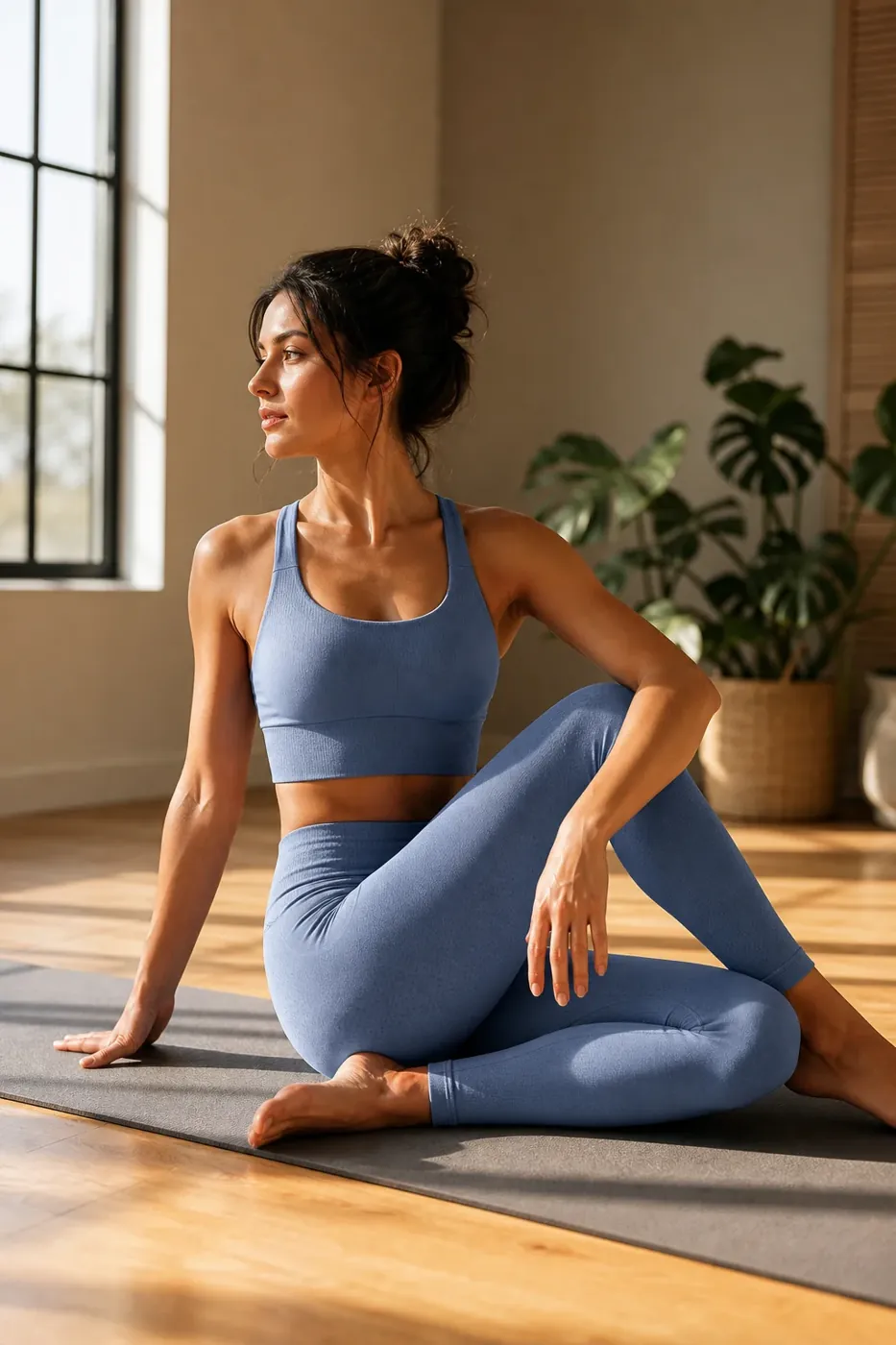
You have probably felt it. A long run where the kilometres stop counting themselves. A Pilates class where an hour passes in what feels like ten minutes. A work session where the hard problem finally opens up and you look up to find it is dark outside. That feeling has a name: flow.
Our name comes from it, so we think about it a lot. This guide covers what flow state is, what it feels like, what tends to break it, and the simple, everyday habits that make it more likely to show up.
What is flow state?
Flow state is the experience of being fully absorbed in what you are doing. Your attention narrows to the task in front of you. Distractions fade. You stop watching yourself from the outside and simply do the thing. People often call it being ‘in the zone’.
The idea was named and described by the psychologist Mihaly Csikszentmihalyi, who spent years asking people from very different walks of life to describe their best moments. Climbers, surgeons, dancers and writers described the same shape of experience, even though their work looked nothing alike.
What flow feels like
Flow is easier to recognise than to define. Most people describe some mix of these:
- Deep focus that does not feel forced.
- A sense that time has sped up or slowed down.
- Less self-talk and less worry about how you look.
- Clear feedback: you know, moment to moment, whether it is going well.
- A quiet sense of control, even when the task is hard.
- Enjoyment of the activity for its own sake.
Flow is not the same as relaxing. It often happens when you are working at the edge of your ability. It is also not the same as being busy. You can be busy all day and never get there.
The conditions that make flow more likely
A challenge that matches your skill
Flow tends to live in the space between boredom and anxiety. If a task is too easy, your mind wanders. If it is far too hard, you tense up. The sweet spot is a challenge that stretches you a little. In training, that might be a weight you can lift with good form for the last two reps, not one you grind through. At work, it might be a problem you do not know how to solve yet, but could.
A clear goal
It is hard to lose yourself in something vague. ‘Get fit’ is a hope. ‘Hold a plank for 60 seconds with steady breathing’ is a goal your body can work towards right now. The same goes for a work session: pick the one thing you want to finish before you begin.
Fewer interruptions
Flow takes a while to arrive and a moment to break. A phone face up on the desk, a buzzing watch or a waistband you keep pulling up are all small exits from the zone. Remove what you can before you start.
What breaks flow
Most of what breaks flow is ordinary. Notifications. Being hungry or tired. Switching between tasks. Discomfort you keep noticing. Worrying about whether people are watching.
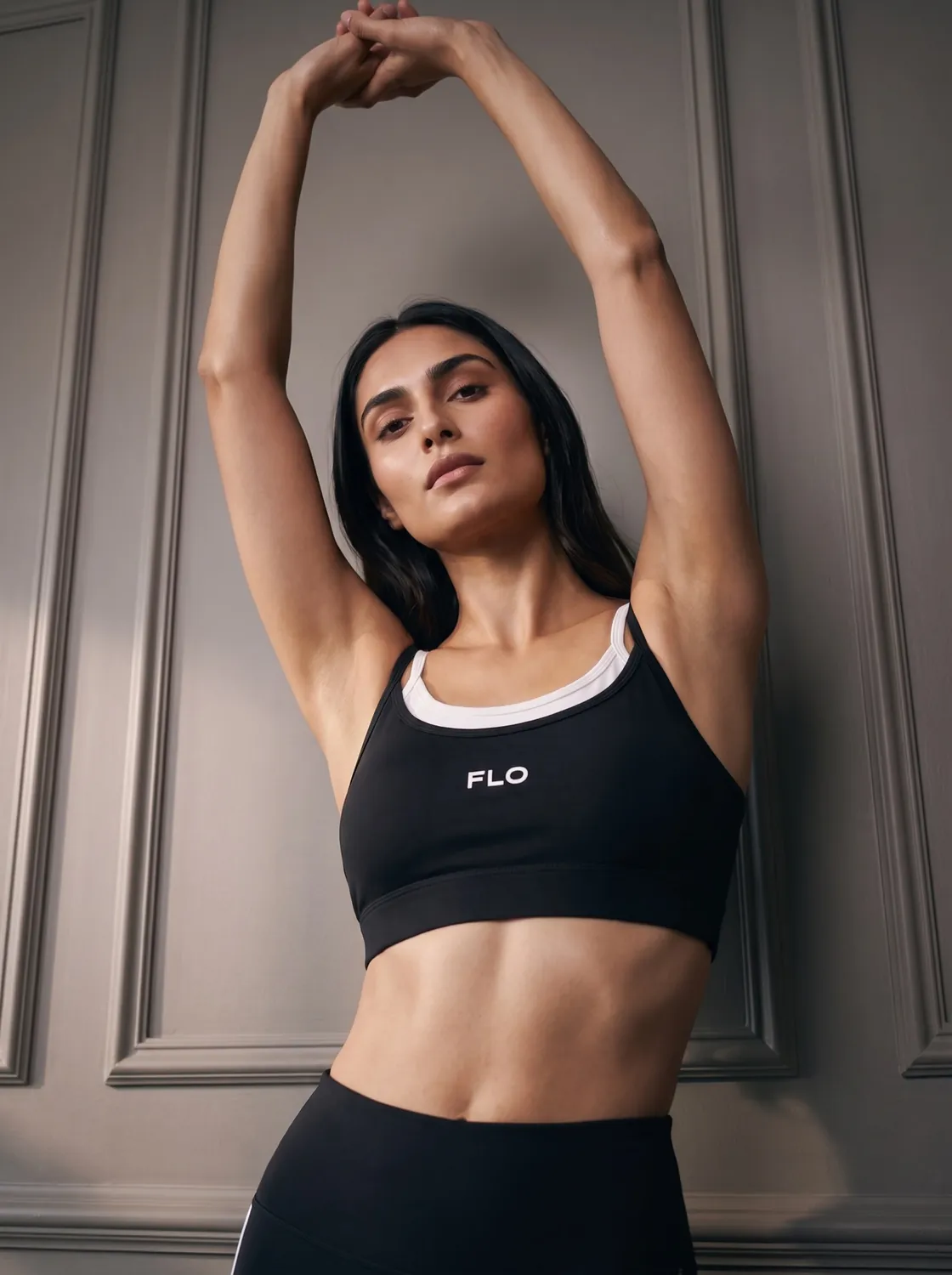
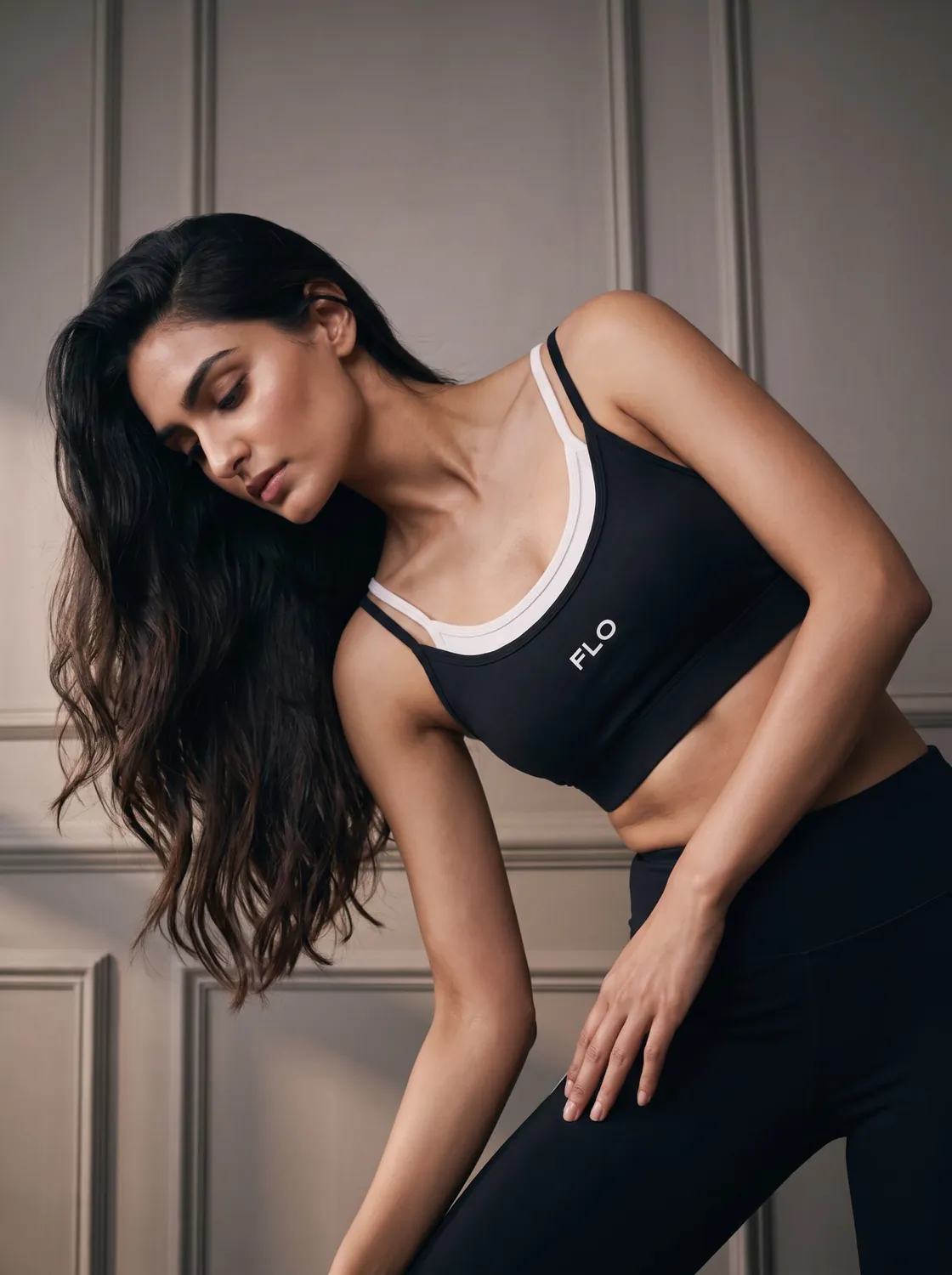
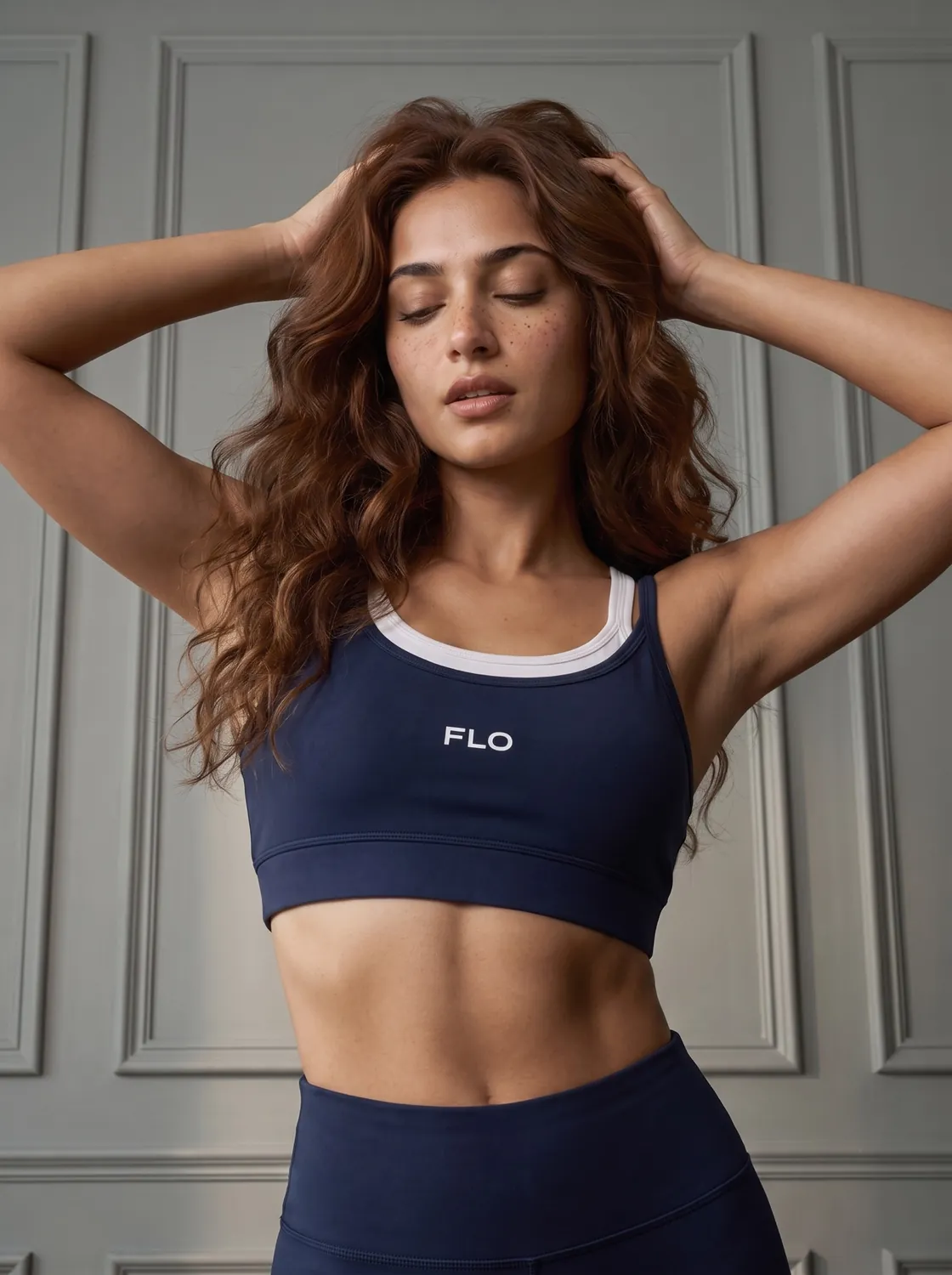
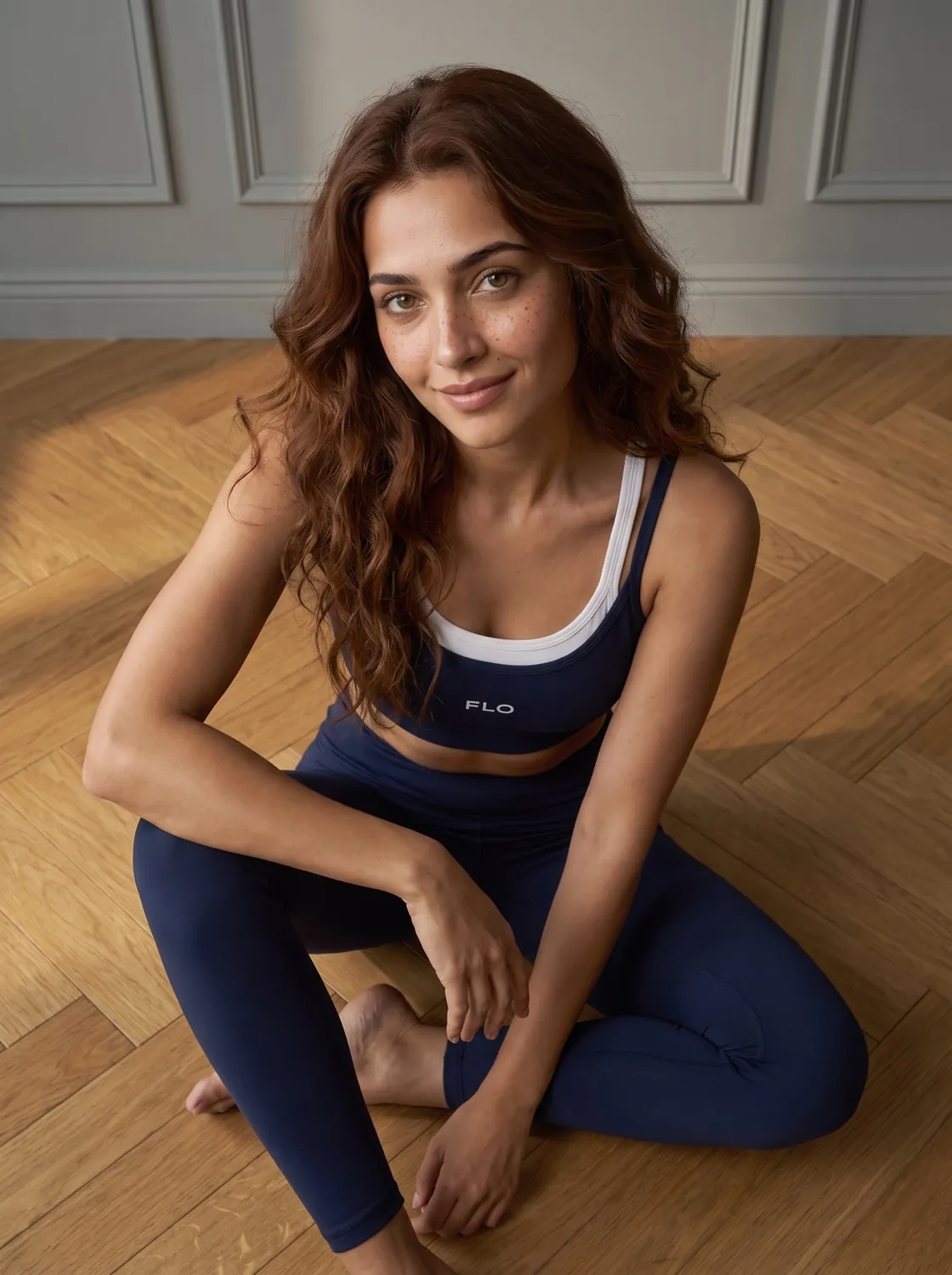
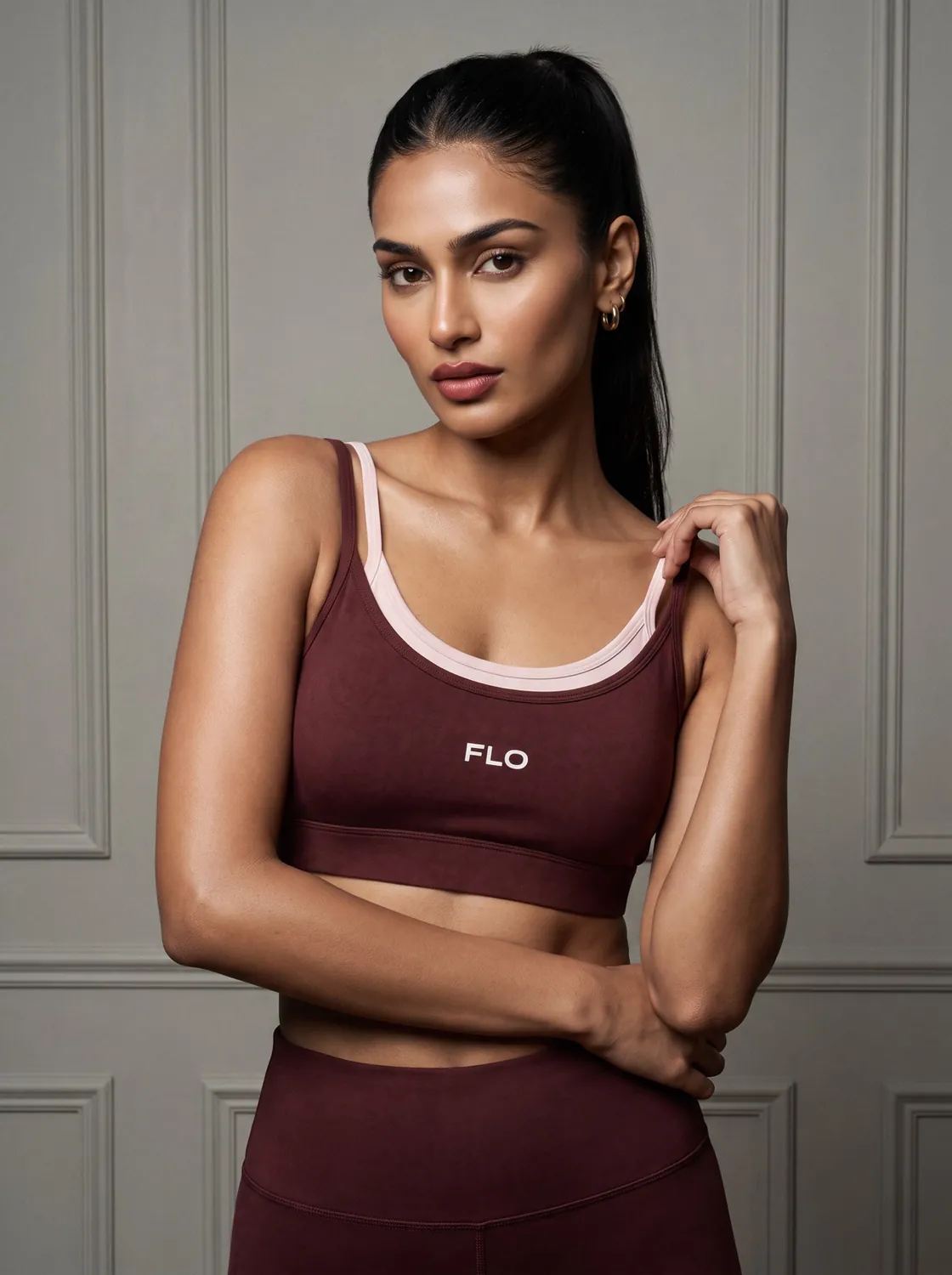
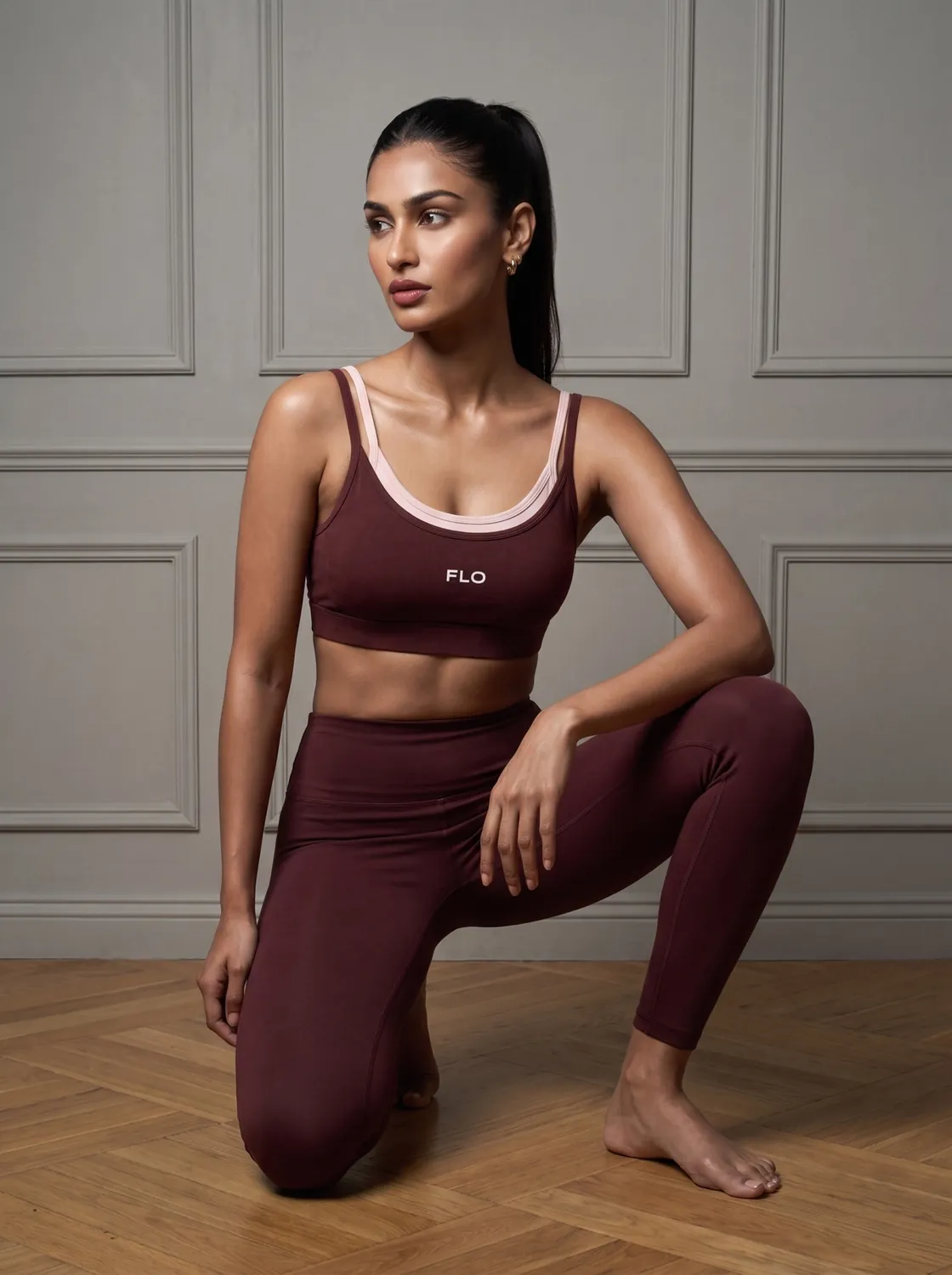
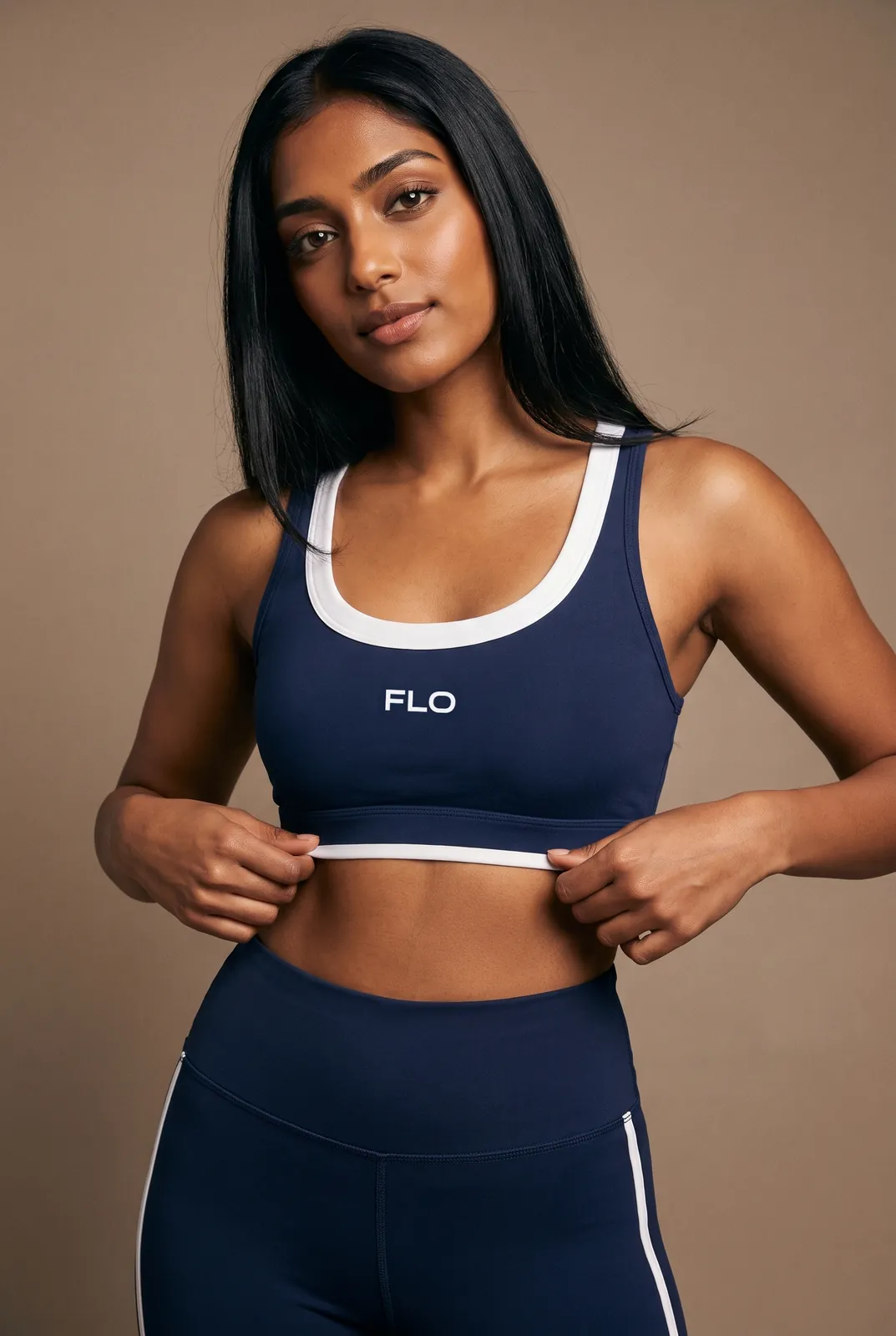
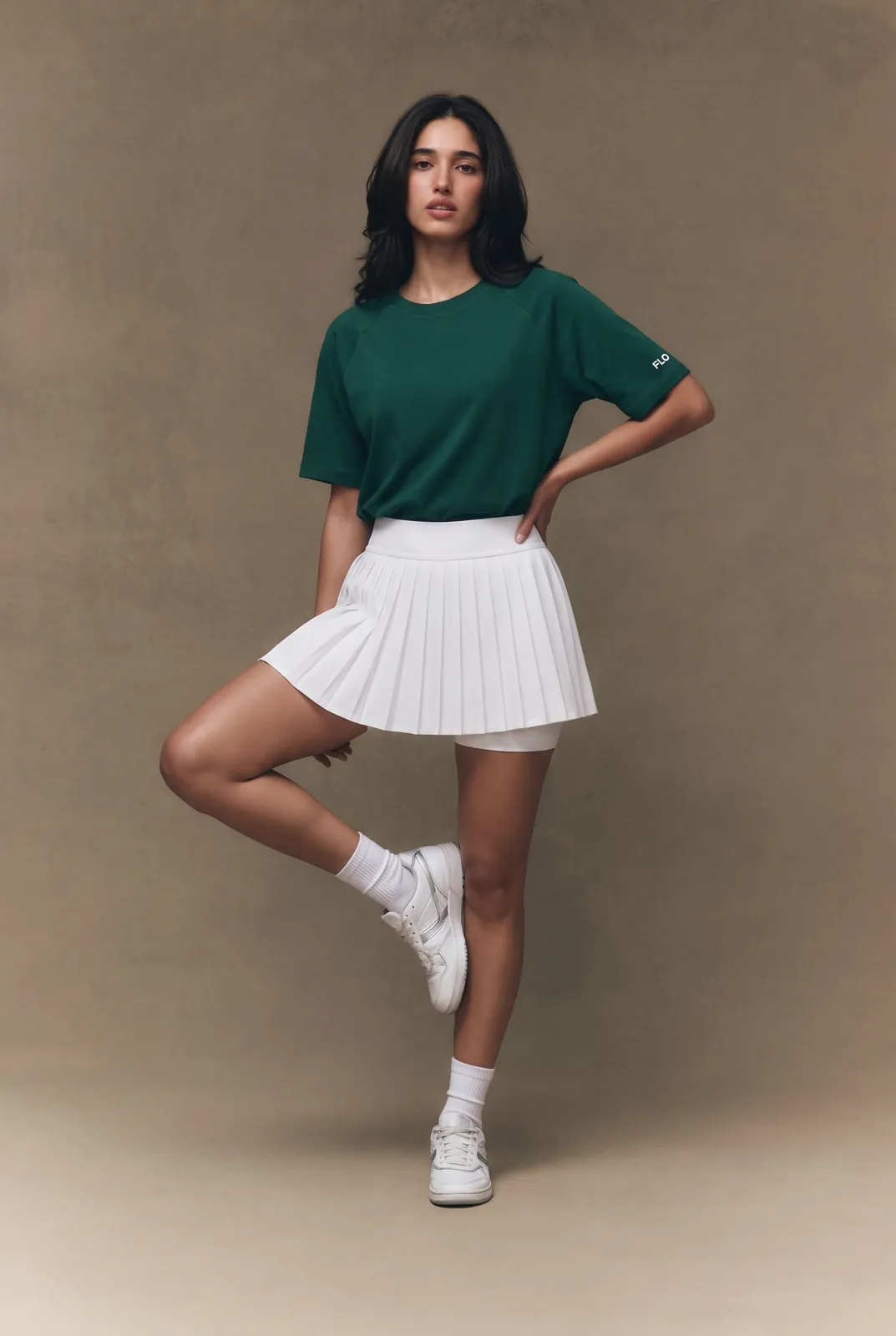
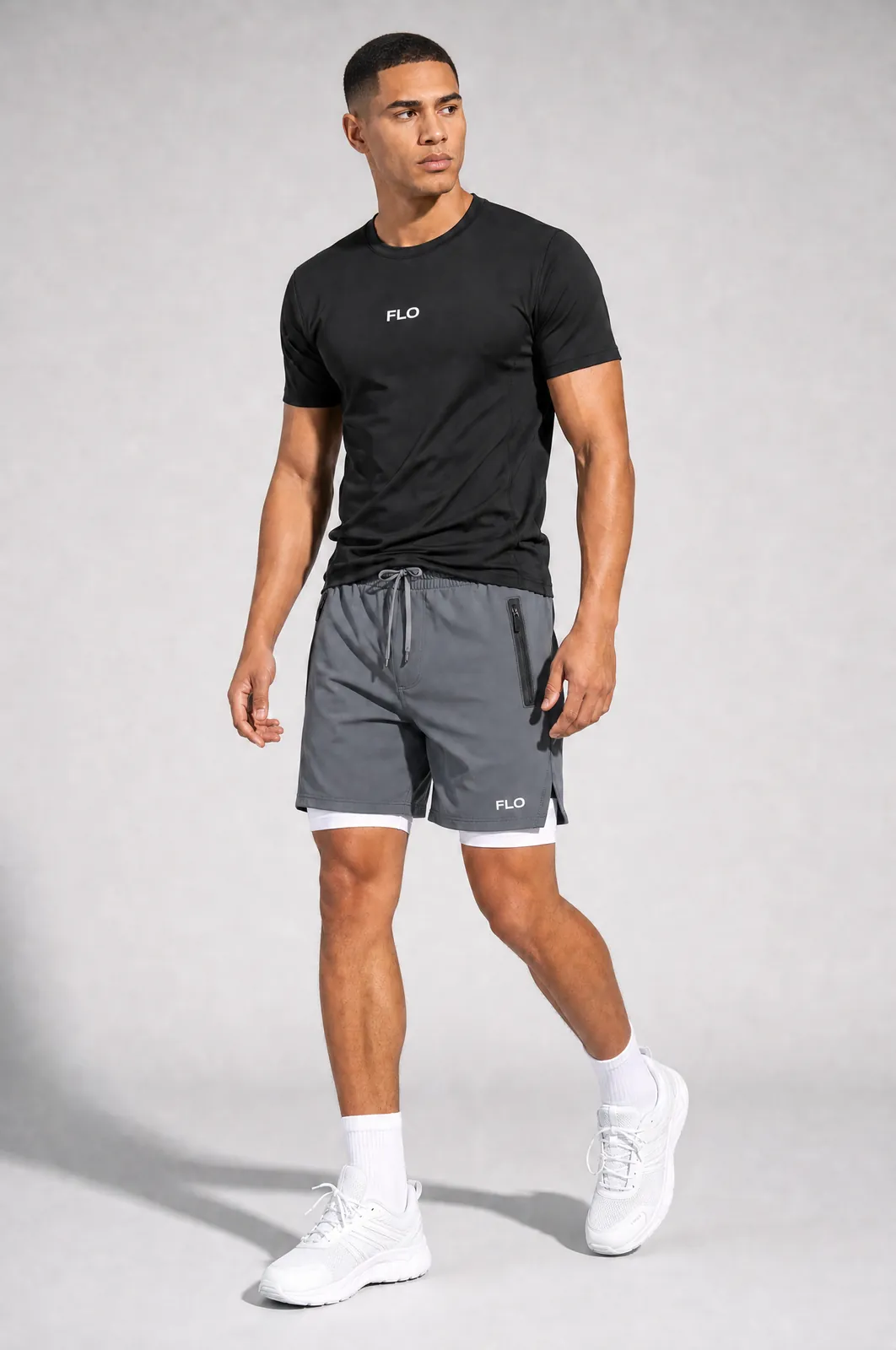
Clothing plays a small part here, and it is a part we care about. If your leggings slip during a squat, or a strap digs in on every rep, your attention keeps returning to your body for the wrong reasons. The best kit is the kind you forget you are wearing. That is why our performance core is built for stretch, opacity and a supportive fit, and why our pieces are designed to move with you from training into the rest of the day.
Small habits that invite flow
You cannot force flow, but you can make room for it. Try a few of these and see what works for you:
- Start with a short warm-up ritual. The same five minutes before a run or a work block tells your mind what comes next.
- Set one clear goal per session and write it down.
- Put your phone in another room, or at least face down on silent.
- Work in blocks of 60 to 90 minutes, then take a real break.
- Train early if you can. Delhi summer mornings are cooler and quieter, and fewer things compete for your attention.
- Choose kit you trust, so you are not adjusting it every few minutes.
- Notice when it happens. Write down what you were doing, what time it was and how you felt beforehand.
Flow beyond the workout
Flow is not only for athletes. You can find it while cooking, painting, playing music, writing code or having a long, easy conversation with a friend. The common thread is full attention on something that matters to you.
We think about the whole day this way. A morning session, a stretch of deep work, then an evening with the people you care about. Each one is easier to enjoy when you are not switching outfits, mindsets and settings in between. That is the idea behind FLO: one considered wardrobe so you can stay with what you are doing.
A gentle place to start
This week, pick one activity you already enjoy. Give it one clear goal, one uninterrupted block of time and kit that lets you move. Afterwards, ask yourself whether time felt different. That is your first data point. Flow grows from there.
If you want company, our community clubs meet across Delhi NCR for tennis, padel, golf, Sunday sessions and breakfast. See Community Discounts and FLO Partners for ways to get involved.