Flow
Slow Fashion Activewear: Why Fewer, Better Pieces Win
Buying less, choosing well and caring for what you own. A calmer way to dress for movement.
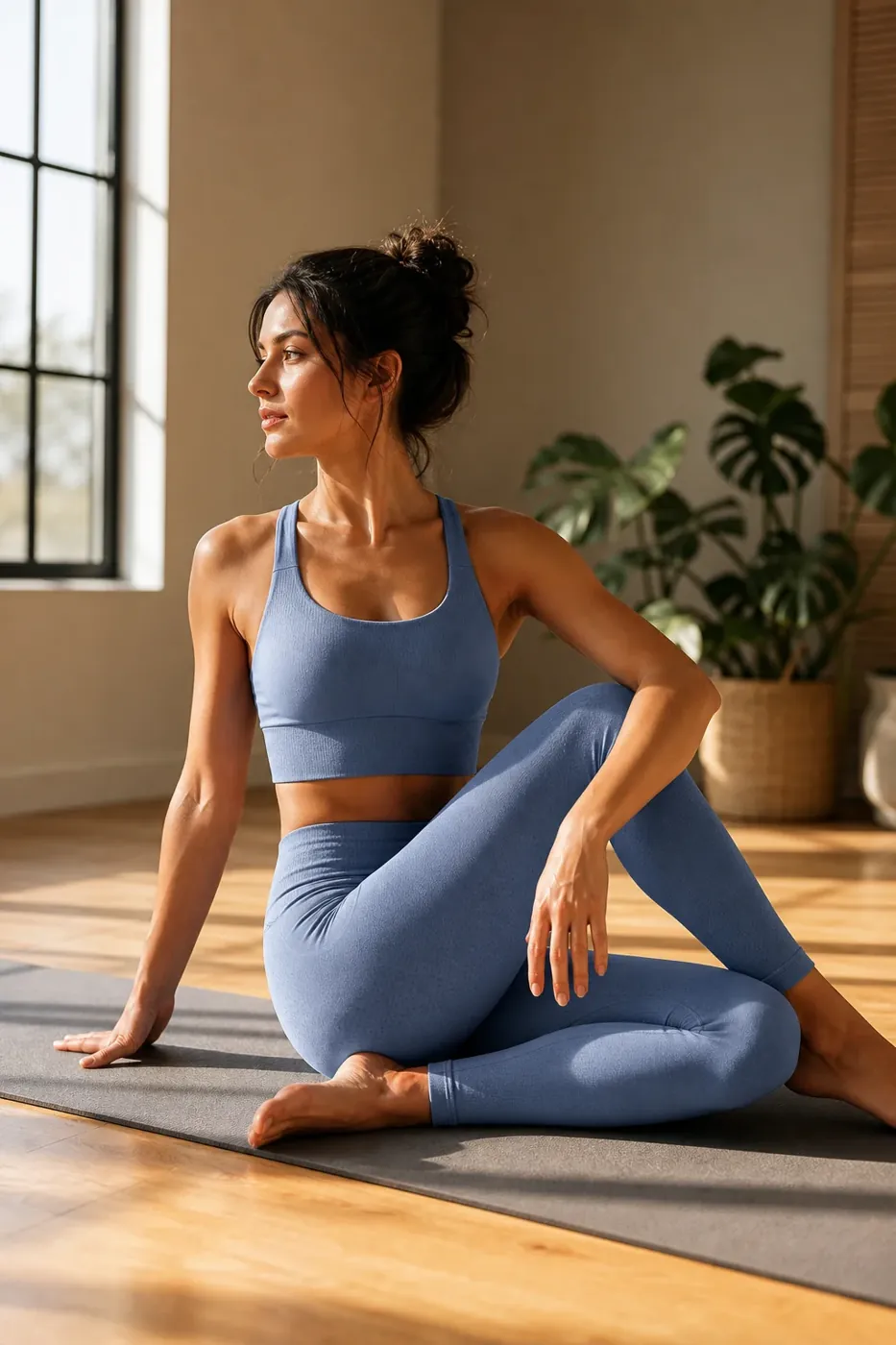
Activewear is easy to over-buy. New colours every month, a sale every week and the feeling that a new pair of leggings might be the thing that gets you back to the gym. Slow fashion offers a different approach: fewer pieces, chosen well, worn often and cared for over years.
What is slow fashion activewear?
Slow fashion is a way of buying and wearing clothes that values quality over quantity. Applied to activewear, it means:
- Buying fewer pieces, and only what you will wear often.
- Choosing fabric and construction made to last.
- Building a small wardrobe where everything works together.
- Caring for pieces so they keep their shape and colour.
- Wearing things until they are truly worn out.
Why fewer, better pieces win
They perform better
A well-made legging that stays opaque, holds its shape and dries quickly will serve you better than three that go thin after a few washes. Good activewear does its job quietly, which is exactly what you want in the middle of a session.
They make life simpler
A smaller wardrobe means fewer decisions. When every piece goes with every other piece, getting dressed at 6am takes seconds. That is time and attention you get back for the things that matter.
They cost less per wear
A piece you wear twice a week for years is better value than a cheaper one that lasts a few months. Think about cost per wear, not just the price on the tag.
They are kinder
Buying less, and keeping what you buy for longer, means fewer clothes produced and fewer thrown away. It is one of the simplest things any of us can do.
How we think about it at FLO
Our mission is quality first, made slowly. We keep the range tight on purpose. Every piece starts with the fabric and is made in small batches, to be worn on repeat rather than replaced.
We use a small fabric system so each piece has a clear job: a nylon-spandex performance core for training, a cotton-spandex soft core for the rest of the day, and structured polyamide for pieces that need to hold their shape. Read more on Fabrics & Care.
Building a slow activewear wardrobe
Start by looking at what you already own and what you actually wear. Then fill the gaps slowly. A simple starting point for most people:
- Two sports bras or tops you trust, in colours that mix.
- Two bottoms: a legging and a flare or short.
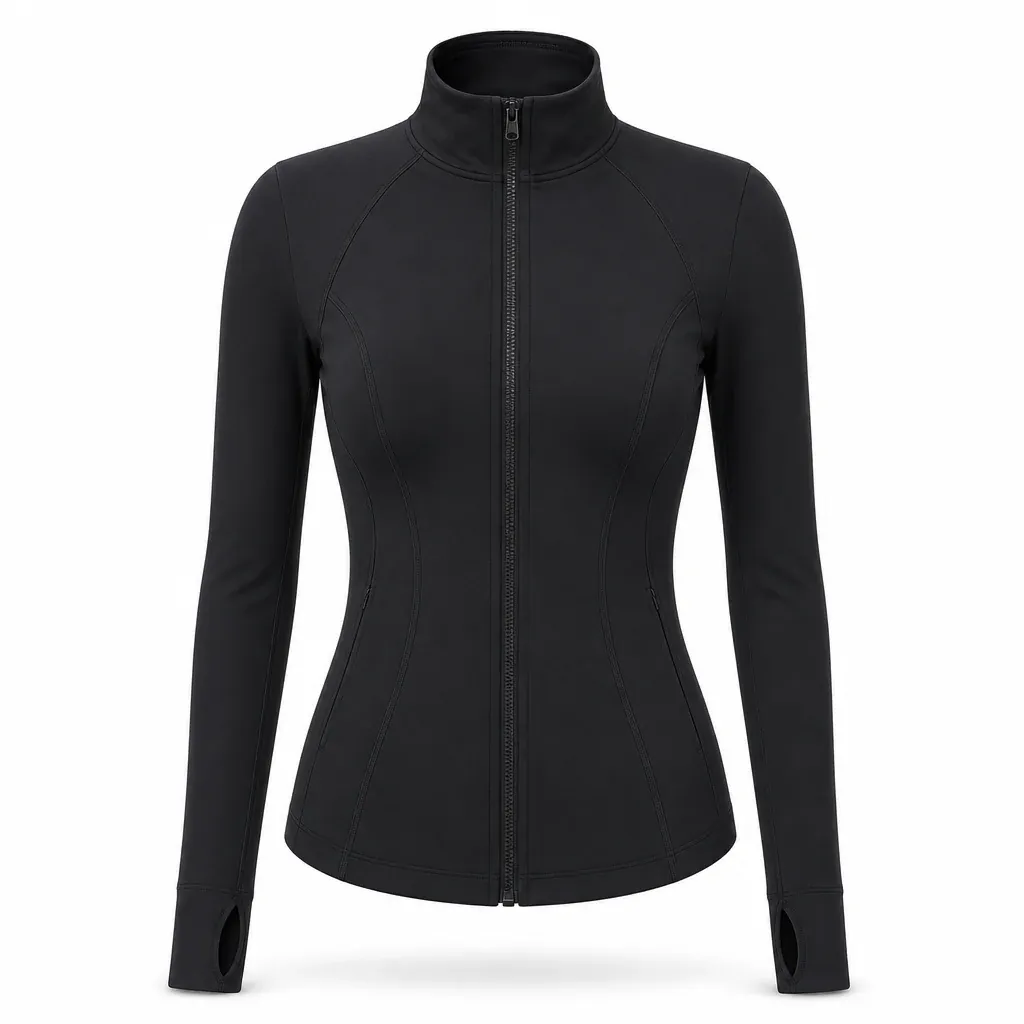
- One structured layer, like a zip jacket or half-zip.
- One soft piece for rest days, like a wide-leg sweatpant or jogger.
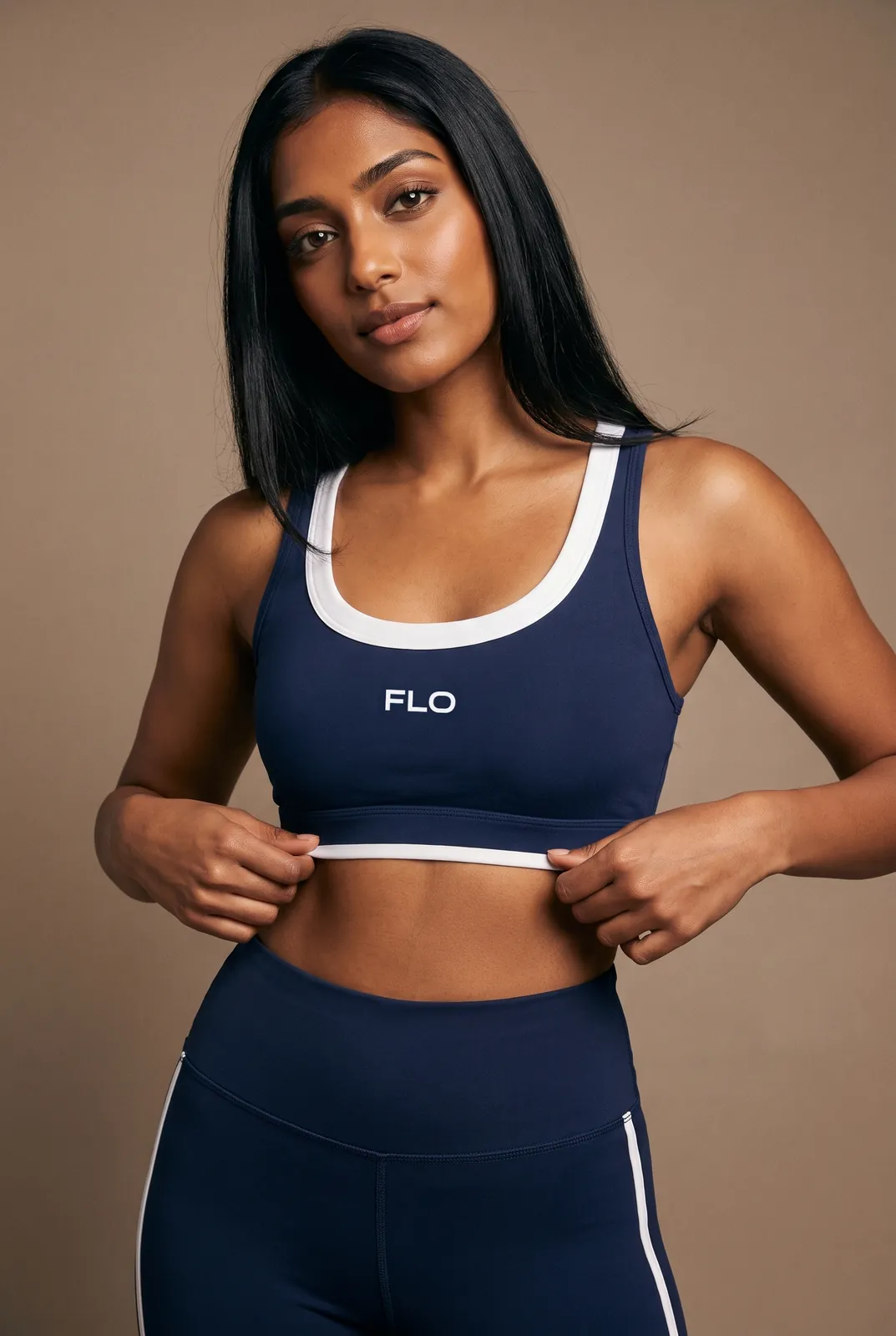
A set, like the Contrast Set, counts as two pieces that also work separately. Pair with the Sculpt Zip Jacket and the Wide-Leg Sweatpant and you have a full week covered.
Questions to ask before you buy
- Will I wear this at least once a week?
- Does it go with at least three things I already own?
- Is the fabric made for what I will do in it?
- Do I know how to care for it?
- Would I still want it if it were not on sale?
Care is part of it
The longest-lasting wardrobe is a well-cared-for one. Wash cold and inside out, skip fabric softener and line dry in the shade. Rotate between pieces so each one has time to recover. Our activewear care guide covers it step by step.
Slow fashion and the way you move
There is a natural link between slow fashion and the way many people approach movement. Showing up regularly, at a steady pace, usually serves people better than chasing quick fixes. The same is true for a wardrobe. A few trusted pieces, worn often, build a kind of routine. You know how they fit, how they feel in the heat and how they look with everything else you own.
Making the most of what you own
- Mix pieces across activities. A legging that works for Pilates also works for travel.
- Use layers to stretch pieces across seasons rather than buying for each one.
- Keep a short list of what you actually need, and shop from it.
- Repair small things early: a loose thread, a lifted seam.
- Give each piece a rest day so the fabric can recover between washes.
When it is time to let go
Even good pieces wear out eventually. Before you throw something away, see whether it can become a sleep or lounge piece, be repaired, or be passed on to someone who will use it. Then replace it with something you will love just as long.
A calmer way to move
Slow fashion is not about having less for the sake of it. It is about having what you need, trusting it and getting on with your day. That is our idea of flow. Read more in What Is Flow State?