Fabric & Care
How to Care for Activewear So It Lasts
Cold water, no softener, shade to dry. The small habits that keep your kit in shape.
Good activewear is made to be worn hard and washed often. But the same fibres that give it stretch and quick-drying power are also the ones most easily damaged by heat, softener and harsh drying. A few simple habits make the difference between leggings that last a season and leggings that last years.
Why activewear needs different care
Most performance pieces are a blend of a strong base fibre, like nylon or polyester, with elastane (also called spandex or Lycra). Elastane is what lets fabric stretch and snap back. It is also sensitive to heat, chlorine and oils. When it breaks down, you see it: baggy knees, a waistband that rolls, fabric that turns shiny or see-through.
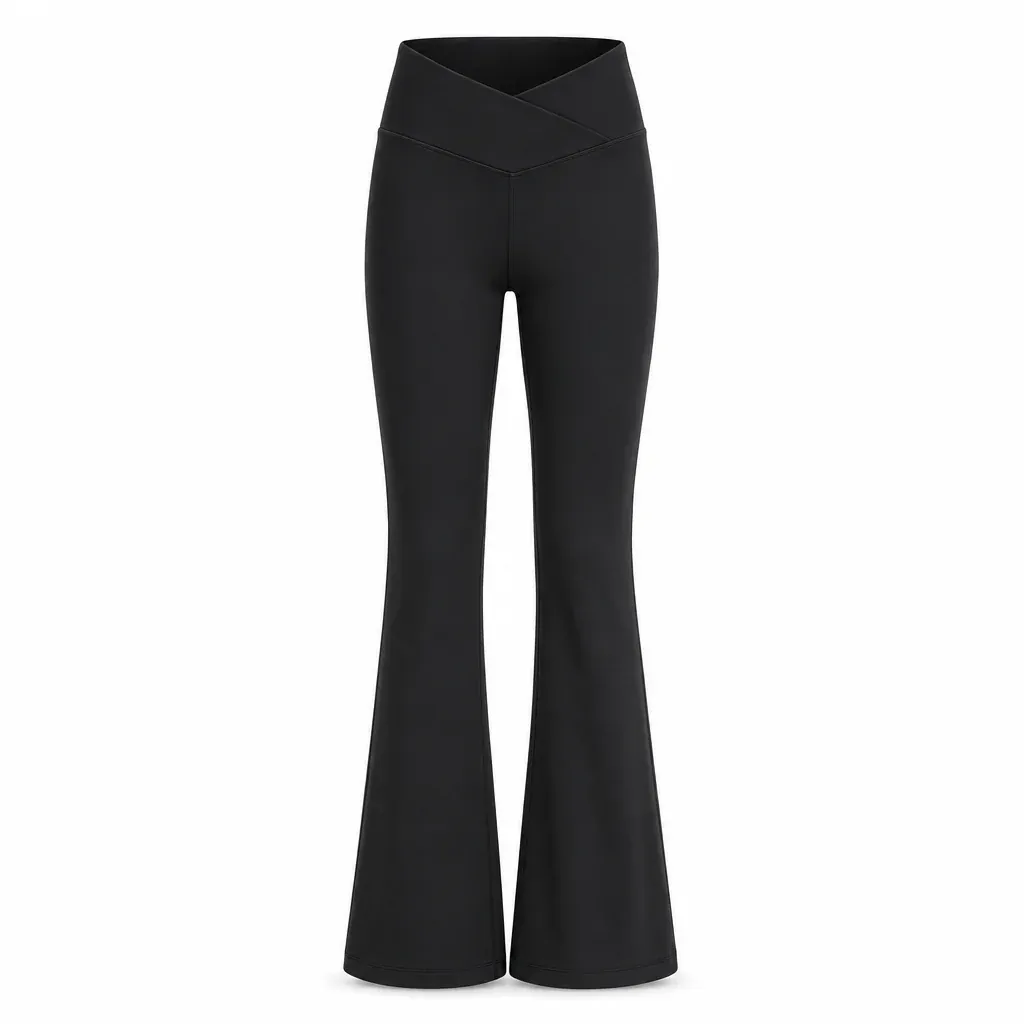
Our performance core is 95% nylon and 5% elastane, so these care steps apply directly to our leggings, flares, sports bras and tanks.
How to wash activewear: step by step
1. Wash soon after wearing
Do not leave damp kit balled up in a gym bag. Bacteria grow quickly in the warmth, especially in Indian summers and monsoons, and that is where lasting smells come from. If you cannot wash straight away, hang pieces to air dry first.
2. Turn it inside out
The inside of the fabric is where sweat and skin oils collect, so this cleans better. It also protects the outer surface and any logos from rubbing.
3. Use cold water
Wash at 30°C or below. Cold water is gentler on elastane and helps colours last. It is also usually enough to clean modern activewear, which is designed to release sweat easily.
4. Choose a mild detergent and use less of it
More detergent does not mean cleaner clothes. Extra soap stays in the fibres, traps odour and can make fabric feel stiff. Use a little less than the pack suggests and choose a gentle liquid if you can.
5. Skip the fabric softener
This is the most common mistake. Softener coats the fibres with a thin film. On activewear, that film blocks sweat-wicking and slowly reduces stretch. Leave it out entirely.
6. Wash with similar fabrics
Keep activewear away from towels, denim and anything with zips or hooks. Towels shed lint that sticks to smooth fabric, and rough items can cause pilling. A mesh laundry bag helps.
How to dry activewear
Line dry in the shade. Direct sun and tumble dryers are both hard on elastane. Strong Indian sun can also fade colours quickly, especially darker shades and brighter tones.
Lay heavier pieces like jackets flat or hang them over a rail rather than pegging them by one corner, which can stretch them out of shape. Most performance fabrics dry quickly indoors under a fan.
Things to avoid
- Bleach of any kind, including on white pieces.
- Ironing, especially over prints and logos.
- Hot water washes.
- Dry cleaning, which uses solvents that can damage elastane.
- Wringing or twisting wet pieces.
Dealing with sweat smells
Synthetic fabrics can hold on to odour if they are washed in hot water or with too much detergent and softener. If a piece starts to smell even after washing, try this:
- Soak it inside out for 30 minutes in cold water with a cup of white vinegar.
- Wash as normal on a cold cycle with a small amount of detergent.
- Dry fully in the shade with good airflow.
Then prevent it coming back by washing soon after every session and never storing kit damp.
Caring for different fabrics
Our three fabrics each have a job, and the care is similar across all of them:
- Performance core (nylon-spandex): cold wash, no softener, shade dry. This keeps the stretch, opacity and quick-drying feel.
- Soft core (cotton-spandex): cold wash inside out. Cotton can shrink in heat, so avoid hot washes and dryers.
- Structured (polyamide): cold wash, hang to dry so it keeps its shape. No iron needed.
Storage
Fold leggings and sweats rather than hanging them, which can stretch waistbands. Store sports bras flat or folded in half without crushing the cups. Keep everything fully dry before it goes into a drawer, especially in humid months.
Wear less, wash less, keep longer
The kindest thing you can do for your clothes is rotate them. Having a few pieces you love and wearing them in turn gives fabric time to recover between washes. It is part of why we believe in a smaller, better wardrobe. More on that in Slow Fashion Activewear.
Full care notes for every FLO fabric are on our Fabrics & Care page.